News
What Is Movement Compatibility in Watch Manufacturing?

Movement compatibility means the precise fit between a chosen movement and your watch case, dial, and components. You must consider this early because even small mismatches can disrupt your design and delay production. Overlooking these details often leads to costly errors or rework. By focusing on movement compatibility, you ensure smooth assembly, reliable performance, and high-quality results.
Key Takeaways
-
Movement compatibility ensures a perfect fit between the watch movement and its components. This prevents costly errors during production.
-
Verify movement compatibility early in the design process. This step saves time and ensures high-quality results.
-
Use shared movement platforms to streamline production. This approach reduces costs and allows for easier updates to watch models.
-
Pay attention to design factors like case thickness and hand height. These details are crucial for smooth operation and reliability.
-
Regular communication with manufacturers helps avoid compatibility issues. Clear instructions lead to better assembly and fewer mistakes.
Movement Compatibility Explained
What Is a Watch Movement?
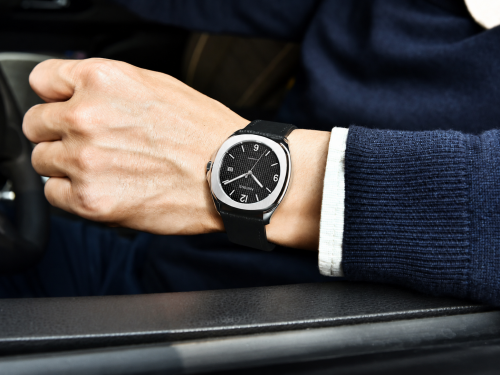
A watch movement is the engine that powers your watch. It controls the hands, date, and other functions. You can find three main types: quartz, automatic, and manual. Quartz movements use a battery and offer high precision. Automatic and manual movements rely on mechanical parts. Swiss automatic movements and mechanical movements are popular for their craftsmanship and reliability. The movement you choose affects the design, assembly, and performance of your watch.
Compatibility in Manufacturing
Movement compatibility means your chosen movement fits perfectly with your case, dial, hands, and other components. You must check several criteria to ensure a smooth fit and reliable function. The following table shows the main criteria used to define movement compatibility in watch manufacturing:
|
Criteria |
Description |
|---|---|
|
Movement grade |
Classification of the movement type. |
|
Dial identification |
Ensures the correct dial is used with the movement. |
|
Hand-set identification |
Confirms the hands are compatible with the movement. |
|
Hand-height execution |
Specifies the height of the hands for proper clearance. |
|
Crown and tube identification |
Identifies the correct crown and tube for the movement. |
|
Stem option |
Options for the stem used in the movement. |
|
Holder or clamp revision |
Adjustments needed for the holder or clamp. |
|
Radial-interface measurement |
Measurement of the interface for proper fit. |
|
Movement seating position |
Positioning of the movement within the case. |
|
Caseback clearance |
Ensures there is enough space for the caseback. |
|
Dial position |
Correct positioning of the dial. |
|
Date-window alignment |
Alignment of the date window with the movement. |
|
Hand clearances where practical |
Clearances for hands to avoid interference. |
|
Winding observations |
Observations related to the winding mechanism. |
|
Setting observations |
Observations related to setting the time. |
|
Sealing-test result |
Results from sealing tests to ensure water resistance. |
|
Failed checks |
Documentation of any checks that failed. |
|
Corrective action |
Actions taken to correct any issues found. |
|
Final disposition |
Final status of the movement after checks (accepted, rework, etc.) |
You must consider these criteria before you start prototyping. If you ignore them, you risk misaligned dials, hands that do not fit, or cases that cannot close. Each movement type—quartz, automatic, or manual—has unique requirements. For example, a quartz movement often needs less space than a mechanical movement. An movement may require specific hand heights and crown positions. You must match each part to the movement for a successful build.
Interchangeability and Manufacture Movements
Interchangeability plays a key role in movement compatibility. You can use movements that share the same dimensions and interface points across different watch models. For example, many manufacturers design their movements to fit cases made for movements. This approach allows you to switch between movements without major changes to your design or engineering process.
-
You can transition smoothly between these movements without redesigning your case or dial.
-
The SW200 series ensures seamless integration with eta-based products.
This compatibility gives you flexibility. You can update your watch line or respond to supply changes without costly rework. Many brands use this strategy to maintain consistency and reduce production risks. You also gain the ability to offer variations, such as a swiss movement watch or a model with different features, while keeping your core design unchanged.
Tip: Always verify movement compatibility early. This step saves time, reduces errors, and ensures your watch meets quality standards.
Why Movement Compatibility Matters
Impact on Watch Quality
Movement compatibility directly affects the quality and reliability of your watch. When you select the right watch movement for your case and components, you achieve high precision in timekeeping and smooth operation. For example, studies show that watches with proper compatibility maintain accuracy even during physical activity. You can expect minimal errors in step count and consistent performance across different positions. This level of precision ensures your watch meets high standards for durability and reliability. If you use swiss automatic movements or mechanical movements, you must match all parts carefully to avoid issues like misaligned hands or poor winding. Quartz movements also require exact fit to deliver high precision and long battery life.
-
Proper compatibility leads to:
-
Consistent timekeeping
-
Fewer mechanical failures
-
Improved water resistance
-
Longer service life
-
Design and Production Efficiency
You can streamline your design and production process by sharing movements across different models. Many brands use movement platforms to reduce costs and simplify assembly. When you design cases and dials to accept the same movement, you avoid the need for custom parts. This approach allows you to introduce new models or variations, such as a swiss movement watch, without major redesigns. You also gain flexibility to switch between eta and compatible alternatives like Sellita, which helps you manage supply chain risks.
-
Benefits of shared movement platforms:
-
Lower tooling and inventory costs
-
Faster prototyping and production
-
Easier updates and model variations
-
User Experience
Movement compatibility shapes the user experience. When you match the movement, case, and dial, you ensure smooth hand movement, accurate time setting, and reliable date changes. Users notice the difference in watches with precise fit and function. A well-matched movement or quartz movement provides a satisfying feel when winding or setting the time. You also reduce the risk of customer complaints or returns due to mechanical issues.
Tip: Always check compatibility before finalizing your design. This step protects your brand reputation and keeps your customers satisfied.
Key Factors in Movement Compatibility
Case and Dial Design
You must pay close attention to the relationship between your case, dial, and watch movement. Several design factors directly affect movement compatibility:
-
Movement and dial diameter compatibility: The diameter of the movement and dial must closely match the internal diameter of the case. A small allowance for variation ensures a secure fit.
-
Stem height alignment: The stem height of the movement must align with the case’s stem hole. This alignment is essential for smooth winding and setting.
-
Hand height clearance: The height of the cannon pinion and hands must allow enough space from the crystal. This clearance prevents scraping and ensures reliable operation.
These factors help you achieve high precision and avoid assembly issues.
Hands and Crown Position
You need to match the hand sizes and crown position to the chosen watch movement. The hands must fit the movement’s pinions and have enough clearance from the dial and crystal. The crown position must align with the movement’s stem. If you use eta or swiss automatic movements, you must check that the crown tube and stem fit perfectly. This step prevents misalignment and ensures smooth operation.
Movement Type and Mounting
The type of movement—mechanical movements, quartz movements, or eta—affects how you mount it in the case. Mechanical movements often require more space and specific mounting methods. Quartz movements usually need less space and simpler mounting. The mounting method, such as plate or stem mounts, determines how securely the movement integrates with the case. Swivel or rigid mounting styles also influence stability and load distribution. You must select the right mounting to maintain precision and reliability.
Case Thickness and Crystal Clearance
The thickness of your case and the clearance between the hands and crystal play a critical role. The following table shows how different tolerances affect movement compatibility:
|
Tolerance Type |
Description |
Effects on Movement Compatibility |
|---|---|---|
|
Dimensional Tolerance |
Variation in component size |
Ensures proper fit of case, movement, and interface dimensions |
|
Clearance Tolerance |
Space between components |
Prevents interference between movement, case, and hands |
|
Tolerance Stack-Up |
Cumulative variation across parts |
Can cause internal interference and reduce clearance |
|
Radial Tolerance |
Horizontal fit and stability |
Keeps the movement securely positioned in the case |
|
Axial Tolerance |
Vertical stack height and hand clearance |
Ensures hands and rotor move without obstruction |
|
Clearance Design Strategy |
Controlled range for clearances |
Prevents instability and ensures reliable operation |
You must control these tolerances to achieve high precision and avoid costly errors. Proper management of case thickness and crystal clearance supports the performance of your swiss movement watch, movement, or mechanical movements.
Verifying Compatibility Before Prototyping
Early Evaluation Steps
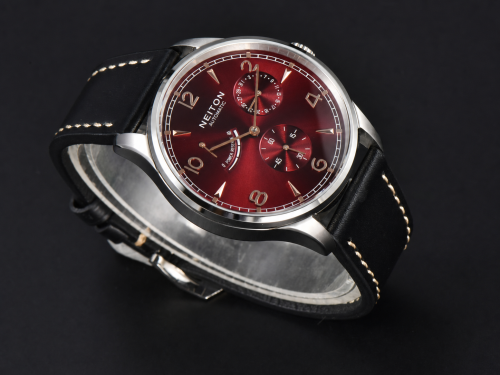
You should always verify movement compatibility before you build your first watch prototype. Early checks help you avoid costly mistakes and wasted time. Follow these steps to guide your evaluation:
-
Define clear design questions. Decide what you need to learn about your movement or other movement type.
-
Choose a prototype method that answers those questions. Use 3D CAD models or physical samples to test fit and function.
-
Set measurable acceptance criteria. Decide what results will show that your design works as planned.
Using these steps, you can spot issues with eta or mechanical movements before you commit to production.
Common Mistakes by New Brands
Many new brands rush into prototyping without checking movement compatibility. This often leads to problems such as:
-
Misaligned crown or stem positions with the movement
-
Hands that do not fit the movement pinions
-
Case thickness that does not allow enough clearance for hands or the rotor
-
Incorrect dial feet placement for the chosen movement
You can prevent these errors by using rule-based design verification and 3D CAD models. These tools let you visualize your watch and catch design flaws early. The table below shows how early verification methods help you avoid costly errors:
|
Method |
Description |
|---|---|
|
Rule-based design verification |
Identifies design errors in mechanical parts before production. |
|
3D CAD models |
Simulate and visualize the watch to detect flaws and improve product quality. |
|
Design verification process |
Confirms your design meets requirements, reducing rework and delays. |
Practical Checklist
Before you submit your design for prototyping, use this checklist:
-
Confirm the movement fits the case diameter and thickness.
-
Check stem and crown alignment with the movement.
-
Verify hand sizes and heights match the movement’s requirements.
-
Ensure dial feet and date window align with the movement.
-
Test hand and crystal clearance for smooth operation and precision.
-
Review mounting method for stability with mechanical movements or eta.
-
Simulate assembly using 3D CAD models.
Tip: Careful verification at this stage protects your investment and ensures your watch meets high standards for precision and reliability.
OEM/ODM Manufacturer Practices
Compatibility Evaluation
Experienced OEM/ODM manufacturers use a structured process to evaluate movement compatibility during development. You start by reviewing the technical drawings for your watch case, dial, and movement. Manufacturers check if the movement or other selected movement fits the case dimensions and dial layout. You must confirm that the stem and crown align with the movement’s requirements. Manufacturers also verify hand heights and clearances to prevent interference with the crystal. Detailed 3D models and physical prototypes help you identify any issues before production. This process ensures that your watch meets both functional and aesthetic goals.
Testing and Standards
You need to follow strict industry standards to guarantee movement compatibility and performance. Manufacturers test each movement and other movement types using recognized standards. The table below shows key standards and testing items for different watch types:
|
Standard Code |
Type of Watch |
Key Testing Items |
|---|---|---|
|
GB/T 6044-2005 |
Quartz |
Reliability Testing, Waterproofing Tests, Shock Resistance, Battery Replacement Cycle, Anti-Magnetic Performance |
|
GB/T 1249-2007 |
Mechanical |
Daily Difference, Energy Index, Shock Resistance, Anti-Magnetic Performance, Waterproof and Sealing Performance |
|
GB/T 18828-2002 |
Dive |
Water Pressure Resistance, Saltwater Resistance, Thermal Shock Resistance, Visibility, Anti-Magnetic Performance |
|
QB/T 1997-1993 |
Waterproof |
Sealing Performance, Pressure Testing, Durability |
You can see that each standard addresses specific needs for eta, quartz, and mechanical movements. These tests help you achieve high precision and reliability in every watch.
Collaboration with Brands
Collaboration between manufacturers and custom watch brands is essential for movement compatibility. You can define proprietary case dimensions, unique dial layouts, and exclusive material combinations. Manufacturers adapt movements or other movements to fit your specifications. The table below highlights common customization areas:
|
Specification Type |
Description |
|---|---|
|
Proprietary case dimensions |
Custom dimensions defined by the brand. |
|
Brand-specific dial layouts |
Unique designs tailored to brand identity. |
|
Exclusive material combinations |
Custom materials chosen for brand differentiation. |
|
Custom movement engravings |
Unique engravings on movements to enhance branding. |
You can also request custom movement engravings to strengthen your brand identity. Manufacturers rely on detailed sketches and prototypes to ensure clear communication. You have the flexibility to adapt existing eta-based designs or create new ones for your watch line.
Tip: Early and clear communication with your manufacturer helps you avoid costly errors and ensures your watch meets your expectations.
Common Issues and Solutions
Typical Compatibility Problems
You may encounter several movement compatibility problems during watch manufacturing. Each movement type brings its own set of challenges. The table below highlights some common issues you might face:
|
Movement Type |
Compatibility Issues |
|---|---|
|
NH35/NH36 |
Widest aftermarket support, compatible with many cases, dials, hands, and accessories. |
|
NH34 |
Requires GMT-specific dials and extra crystal clearance. |
|
VK |
Needs cases designed for pushers and specific subdial layouts. |
|
Miyota |
Fewer plug-and-play options compared to NH movements. |
You often see problems with stem alignment, hand height, and dial feet placement. For movements, you must pay close attention to hand sizes and crown positions. If you overlook these details, you risk misaligned hands or a case that will not close properly.
Resolving Movement Issues
Manufacturers use several methods to resolve movement compatibility issues. You can:
-
Adjust the case design to fit the movement’s stem and crown position.
-
Select hands with the correct height and diameter for the movement.
-
Use dial adapters or modify dial feet to match the movement layout.
-
Test hand and crystal clearance to prevent interference.
You should always review technical drawings and use 3D models to check fit before production. This approach helps you catch errors early and avoid costly rework.
Tip: Always communicate your movement requirements clearly to your manufacturer. Clear instructions reduce the risk of assembly problems.
Preventing Production Errors
You can prevent most production errors by following a structured verification process. Use this checklist to guide your team:
-
Confirm the movement fits the case and dial.
-
Check hand and crown alignment.
-
Verify dial feet and date window positions.
-
Simulate assembly with CAD tools.
Regular communication with your manufacturer ensures your watch meets all specifications. Early detection and correction of compatibility issues protect your investment and support a smooth production process.
You must prioritize movement compatibility to achieve precision and reliability in every watch. Early verification of movement fit and function prevents costly errors. Use the checklist to guide your process and consult experienced OEM/ODM manufacturers for tailored solutions. The table below shows how these experts help you succeed in the swiss watchmaking industry:
|
Benefit |
Description |
|---|---|
|
Customization capabilities |
Tailor-made integration for eta and other movements. |
|
Efficient integration |
Collaboration ensures movement requirements are met. |
|
Tailored solutions |
Custom approaches improve movement efficiency and reduce production risks. |
Discuss your next eta-based project with NEITON to ensure your watch meets the highest standards.
FAQ
What is the most important factor for movement compatibility?
You must match the movement’s dimensions with your case and dial. This ensures all parts fit together without gaps or interference. Always check the movement’s diameter, thickness, and stem position before you start your design.
Can you use the same movement in different watch models?
Yes. If you design your cases and dials to fit a standard movement, you can use that movement across multiple models. This approach saves time and reduces production costs.
How do you check if hands fit a movement?
You need to measure the hand hole sizes and compare them to the movement’s pinion diameters. Always verify hand height to ensure proper clearance from the dial and crystal. Use a simple table for reference:
|
Hand Type |
Pinion Diameter (mm) |
|---|---|
|
Hour |
1.50 |
|
Minute |
0.90 |
|
Second |
0.20 |
What problems can occur if movement compatibility is ignored?
You may face misaligned crowns, hands that do not move smoothly, or cases that cannot close. These issues can cause production delays, extra costs, and poor watch performance.
When should you verify movement compatibility in the design process?
You should check movement compatibility before prototyping. Early verification helps you catch errors, avoid rework, and ensure your watch meets quality standards.